
Spring Pool Care Essentials: Why Chemical Needs Change in St George

Spring brings a fresh start for many things, including your pool. As temperatures rise in St. George, the way your pool water behaves shifts dramatically. This means your usual chemical routine needs to change too. Understanding why pool chemicals increase in spring helps you keep your water clear, safe, and inviting all season long.

Why Spring Changes Pool Chemical Needs
Spring is the time when your pool “wakes up” from winter. Several factors combine to affect your pool water:
Water temperatures climb as the sun gets stronger.
Pumps run longer to keep water circulating and clean.
Wind, dust, and debris increase, bringing in dirt and organic matter.
Winter buildup shows itself, including algae spores and chemical imbalances.
These changes mean your pool needs more attention and different chemical care than in colder months.
What Your Pool Needs More Of in Spring
Shock Treatment
Winter often leaves behind contaminants that settle in your pool. Shocking your pool breaks down these unwanted substances and jump-starts clean water. It’s like a deep cleaning for your pool water, removing organic waste and bacteria that regular chlorine might miss.
Algaecide
Algae grows quickly once water warms up, especially in St. George’s desert climate. Adding algaecide early prevents algae from becoming visible and spreading. This proactive step saves you from costly and time-consuming algae removal later.
Chlorine
The strong spring sun in St. George burns off chlorine faster than in cooler or cloudier climates. Maintaining proper chlorine levels becomes critical to keep your pool sanitized. You may notice you need to add chlorine more often to keep the water safe and clear.
pH and Alkalinity Adjustments
Winter often leaves your pool water out of balance. pH and alkalinity levels can drift, making other chemicals less effective. Correcting these levels early in spring helps chlorine and other treatments work properly, preventing cloudy water and scaling.
Why Chemical Usage Increases in Spring
Two main factors drive up chemical needs:
Warmer water speeds up chemical reactions and algae growth.
Strong desert sun breaks down chlorine quickly.
Even if your pool looks clear, it may already be using more chemicals behind the scenes. This hidden demand means staying on top of your chemical routine is essential.
Practical Tips to Manage Spring Pool Chemistry
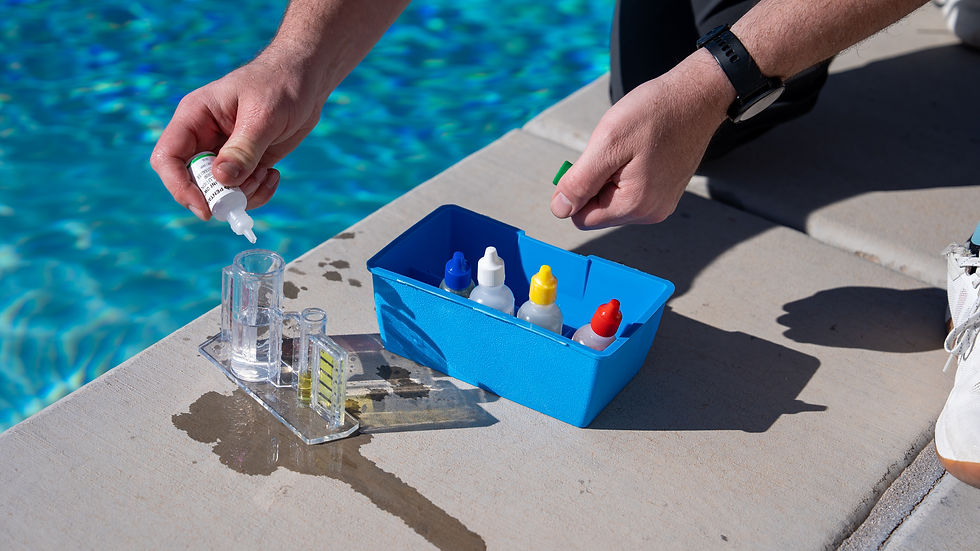
Test your water frequently during spring. Check chlorine, pH, alkalinity, and calcium hardness at least twice a week.
Shock your pool weekly until water stays clear and balanced.
Add algaecide as a preventive measure, especially after heavy winds or rain.
Adjust pH and alkalinity early to keep your chlorine working efficiently.
Run your pump longer to circulate chemicals and filter out debris.
Why Spring Is the Best Time to Adjust Your Pool Care
Spring offers a window to fix chemical imbalances before summer heat makes problems worse. If you wait until temperatures soar, algae can bloom rapidly, and chemical corrections become more expensive and time-consuming.
By dialing in your chemistry now, you protect your pool investment and enjoy a clean, refreshing swim all summer.
If you own a pool in St. George, keep this guide handy. Adjusting your chemical routine in spring sets you up for success through the hot months ahead.
Need help getting your pool spring-ready? Professional pool services in St. George can provide expert testing and treatment plans tailored to local conditions.


Comments